 |
| Canon 1Ds MkII, Canon 100-400mm IS USM lens, 1/1,300th sec, f/9, 400mm at ISO 400 |

20120314
Merlin
Labels:
Merlin (Falco columbarius)
Another shot of a captive Merlin (one day I'll see one in the wild, I hope).

Bald Eagle
Labels:
Bald Eagle
I haven't had a chance to get out much recently – very frustrating – so here are a couple more shots from the archives. Is there a more statuesque bird?


20120307
European Otter (Lutra lutra)
Labels:
European Otter (Lutra lutra)
Too busy to get out much (and the weather and light have been desperate) so here's a European Otter from the files. PS: Reference some of the lovely comments below, I should make it clear that this is a captive animal. Sorry, I never wanted to claim any great fieldcraft to get the shot.


20120229
Robins
Labels:
Robin (Erithacus rubecula)
Two more shots of the increasing numbers of Robins drawn to the garden by the enticing prospect of mealworms, both dried and live. Robins will, of course, happily indulge in a sunflower seed or peanut take-away, but mealworms are a particular favourite, their being so much closer to their natural wild diet.
 |
| Canon 1Ds MkII, Canon 100-400mm IS USM lens, 1/250th sec, f/6.4, 400mm at ISO 500 |
 |
| Canon 1Ds MkII, Canon 100-400mm IS USM lens, 1/160th sec, f/5.6, 400mm at ISO 500 |


20120228
Merlin
Labels:
Merlin (Falco columbarius)
A brace of shots of our smallest raptor. Mervyn, a captive bird, had just had a bath.
 |
| Canon 1Ds MkII, Canon 100-400mm IS USM lens, 1/320th sec, f/10. 400mm at ISO 400 |
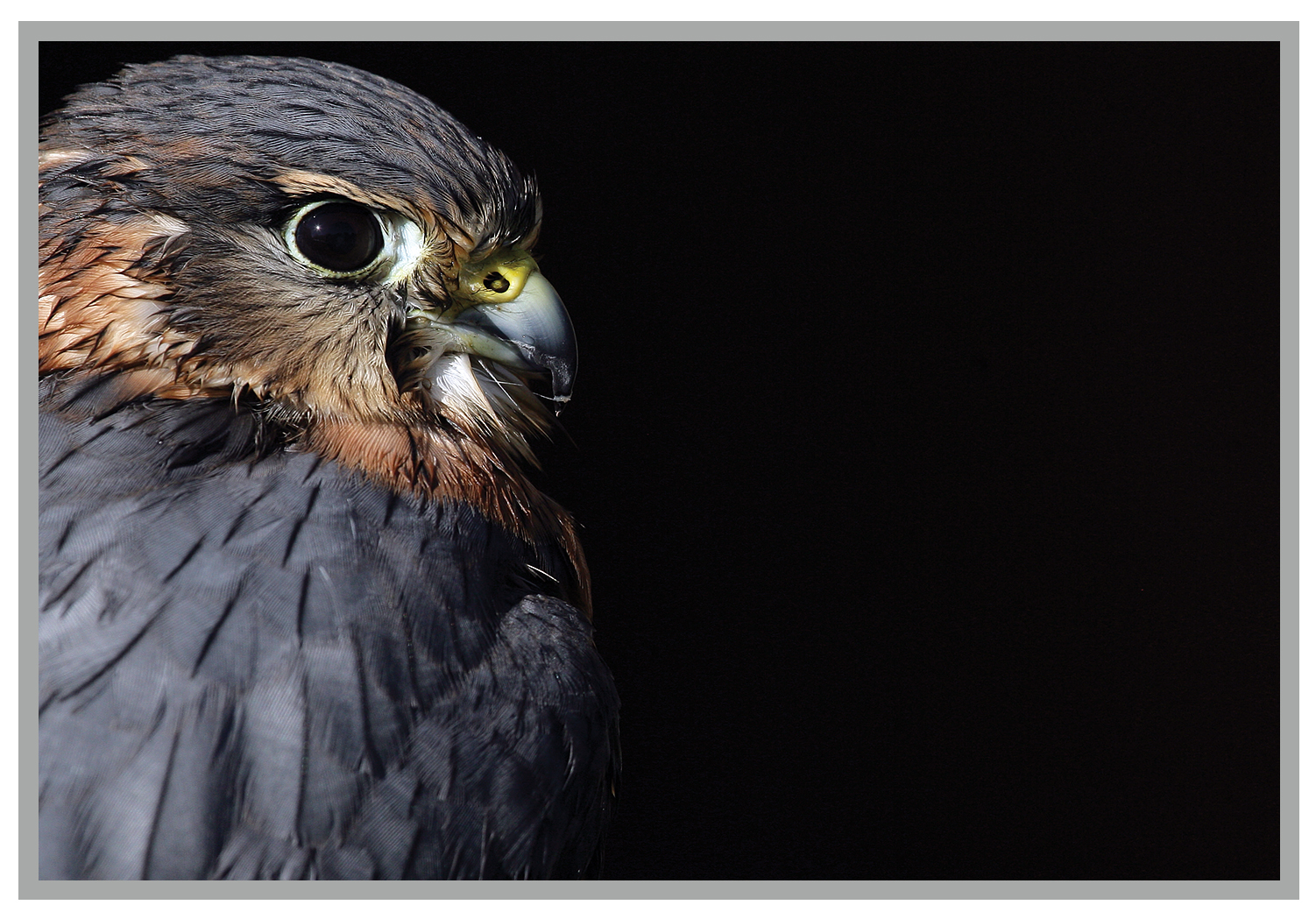 |
| Canon 1Ds MkII, Canon 100-400mm IS USM lens, 1/1,000th sec, f/10. 400mm at ISO 400 |
20120227
Robins
Labels:
Robin (Erithacus rubecula)
Two images from the weekend that I'm really pleased with. The light in each case was just magical, allowing for much more creative portraits of a favourite bird.
 |
| Canon 1Ds MkII, Canon 100-400mm IS USM lens, 1/250th sec, f/5.6, 400mm at ISO 500 |
 |
| Canon 1Ds MkII, Canon 100-400mm IS USM lens, 1/320th sec, f/7, 400mm at ISO 500 |
Red Panda
Labels:
Red Panda (Ailurus fulgens)
My last post featuring a Red Panda proved hugely popular (they are undeniably cute), so I thought I'd put up another shot, this one taken last weekend. I include it here also with another reminder that to learn more about the plight of these wonderful animals, whose habitat and food resources are being destroyed at an alarming rate, take a look at the Red Panda network
 |
| Canon 1Ds MkII, Canon 100-400mm IS USM lens, 1/250th sec, f/6.4, 400mm at ISO 400. Distance to subject: < 8m |
20120226
Adders
Labels:
Adder (Vipera berus),
North Norfolk
A sure sign that spring is not far off is the emergence of the first male Adders. These two – my first sightings of the year – were shot at just before noon today, when it was such a glorious day here on the North Norfolk coast that they could bask is warming sunshine and begin their wait for the first females to show.
 |
| Canon 1Ds MkII, Canon 100-400mm IS USM lens, 1/640th sec, f/11, 400mm at ISO 400. Distance to subject: < 5m |
 |
| Canon 1Ds MkII, Canon 100-400mm IS USM lens, 1/500th sec, f/10, 400mm at ISO 400. Distance to subject: < 5m |
20120224
Compare the Meerkats
Labels:
Meerkat,
Suricata suricatta
Conditions were so perfect for these two shots – particularly the first, which rewards clicking on for a larger view – that it was almost as if the Meerkats had been positioned under studio lights. They were, in fact, both taken outdoors, with shutter speeds up to 1/2,000th sec. All that was needed was for the Meerkats (always such fun just to sit and study) to pose obligingly. And that they always do.
 |
| Canon 1Ds, MkII, Canon 100-400mm IS USM lens, 1/1.300th sec, f/7, 400mm at ISO 400 |
 |
| Canon 1Ds, MkII, Canon 100-400mm IS USM lens, 1/2,000th sec, f/7, 400mm at ISO 400 (slightly under-exposed) |
Sri Lankan Leopard
Banham Zoo in Norfolk has a proud record in conservation and is a great day out for anyone with a passion for wildlife. I recently spent a few hours there adding to my library of stock images. I'll be posting many of them over the coming days, starting with this awesomely handsome Sri Lankan Leopard. According to the Wilderness & Wildlife Conservation Trust of Sri Lanka, the current population status of this majestic animal is unknown. What is certain is that the numbers roaming the island have decreased substantially over the last 100 years or so, largely due to game hunting and poaching for skins. For more information on an animal that really deserves to have man on its side, please visit the Trust site.
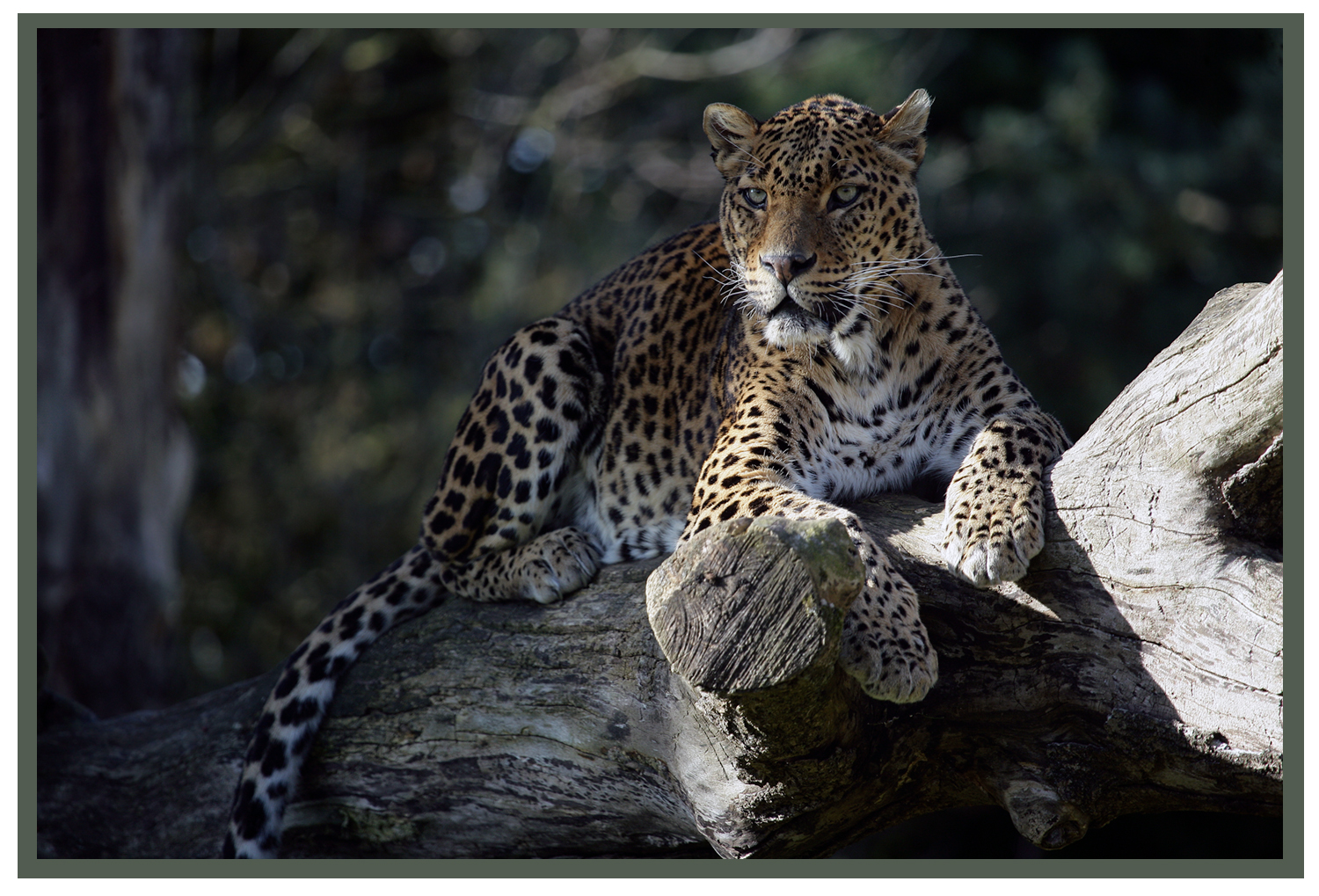 |
| Canon 1Ds MkII, Canon 100-400mm IS USM lens, 1/400th sec, f/5.6, 400mm at ISO 400. Distance to subject: c 15m |
20120223
Common Buzzard
Labels:
Common Buzzard (Buteo buteo)
And here's one rescued from a very bad case of over-exposure...


Common Buzzard
Labels:
Common Buzzard (Buteo buteo)
Another Common Buzzard from my enforced day off today (no electricity from 9am-4pm).
 |
| Canon 1Ds MkII, Canon 100-400mm IS USM lens, 1/1,000th sec, f/9, 400mm at ISO 250. Distance to subject: c 20m |
Common Buzzard
Labels:
Common Buzzard (Buteo buteo)
First the confession: I just missed the focus on this shot and, under scrutiny, it doesn't hold up well. It's posted here, however, because I really like the overall feel of the image. There is a real sense of drama, movement and the wild about it – this individual looks every inch a bird of prey intent on finding food – and the synchronicity between the bird's plumage and the background is very serendipitous. Add in those wonderful wing bars for an further highlight and I think the shot works.
 |
| Canon 1Ds Mk II, Canon 100-400mm IS USM lens, 1/400th sec, f/5.6, 400mm at ISO 250. Distance to subject: c 20m |
20120220
Snow Bunting
Another shot from Sunday's trip to the beach at Salthouse in North Norfolk, when the light was perhaps the best it has been so far this year.
 |
| Canon 1Ds MkII, Canon 100-400mm IS USM lens, 1/1,000th sec, f/8, 390mm at ISO 400. Distance to subject: c 5m |
Herring Gull
Labels:
Herring Gull (Larus argentatus)
Oh I do indeed like to be beside the seaside when light like this is available. The framing of the bird, by the way, is quite deliberate; the 1Ds has 45 possible focus points and I opted for the farthest on the right to get the maximum amount of beach and sky in the remainder of the shot.
 |
| Canon 1Ds MkII, Canon 100-400mm IS USM lens, 1/1,000th sec, f/9, 400mm at ISO 400. Distance to subject: c 5m |
Turnstones
Labels:
Turnstone (Arenaria interpres)
Everything shaped up perfectly for this shot. The Turnstones themselves were foraging happily and were comfortable being pretty close; the light on the North Norfolk coast at the weekend was fabulous, allowing for a much smaller aperture and consequently a much sharper image; and the Turnstone dominating the shot stopped its usual bobbing feeding action for long enough to capture its head framed against a clear background with colours echoing its own plumage.
 |
| Canon 1Ds MkII, Canon 100-400mm IS USM lens, 1/500th sec, f/13, 400mm at ISO 400. Distance to subject: < 4m |
20120219
Pied Wagtail
Labels:
Pied Wagtail (Motacilla alba)
Just a humble Wagtail, but a pleasingly uncluttered composition and an interesting depth of field.
 |
| Canon 1Ds MkII, Canon 100-400mm IS USM lens, 1/1,000th sec, f/9, 400mm at ISO 400. Distance to subject: c 6m |
Snow Buntings
North Norfolk's population of Snow Buntings will be returning home to the Arctic soon, so I thought I'd take an hour out to get some shots before their late February/early March migration starts. This flock was about 60 strong.
 |
| Canon 1Ds MkII, Canon 100-400mm IS USM lens, 1/1,000th sec, f/10, 400mm at ISO 400mm. Distance to subject: c 5m |
 |
| Canon 1Ds MkII, Canon 100-400mm IS USM lens, 1/640th sec, f/9, 320mm at ISO 400mm. Distance to subject: c 5m |
 | |
|
20120217
Blackbirds (and a useful tip)
Labels:
Blackbird (Turdus merula)
A couple of visitors, captured during the mere 90 minutes of milky sunshine that graced the garden today. Both were taken from my (open) office window at a distance of around eight metres. At this distance, the sound of the camera's shutter firing was loud enough to scare off the first few individuals that arrived. So, a quick tip I've always found very helpful. With the camera mounted on a tripod, try wrapping a sweater or towel around the back of the lens (near the mount) and as much of the camera body as you can while still being able easily to operate the controls. You will be amazed how much noise the sweater/towel absorbs, making it much more likely birds will hang around long enough for some decent shots for you and a peanut or two for them.
 |
| Canon 1Ds MkII, Canon 100-400mm IS USM lens, 1/200th sec, f/9, 400mm at ISO 500 |
 |
| Canon 1Ds MkII, Canon 100-400mm IS USM lens, 1/500th sec, f/8, 400mm at ISO 640 |
20120213
Blue Tit
Labels:
Blue Tit (Cyanistes caeruleus)
No chance to get out today at any point (too much work on and terribly dull weather), so another Blue Tit from the weekend, when the light was much better. A quick note on cropping: this individual was bang in the middle of the frame in the original image, but I have edited the shot to have the bird very much off-centre. Doing this can, I think, add to a picture's appeal, help retain viewer interest and sometimes add a sense of drama. In this case, it's hard to resist contemplating what the bird was looking at (perhaps he was searching for his missing leg).
 |
| Canon 1Ds MkII, Canon 100-400mm IS USM lens, 1/400th sec, f/7. 400mm at ISO 500. Distance to subject: < 4m |
20120211
What a difference a day makes
Labels:
Blue Tit (Cyanistes caeruleus)
Yesterday here in North Norfolk it was grey and gloomy. Today, the light was almost Mediterranean in its brilliant blue clarity, allowing for a really nice feel to these two studies.
 |
| Canon 1Ds MkII, Canon 100-400mm IS USM lens, 1/500th sec, f/8, 400mm at ISO 640. Distance to subject: < 5m |
 |
| Canon 1Ds MkII, Canon 100-400mm IS USM lens, 1/500th sec, f/8, 400mm at ISO 640. Distance to subject: < 5m |
20120209
Male Chaffinch / Female Blackbird
Two more welcome visitors to the brick-and-flint wall outside my office window.

 | |
|
 |
| Canon 1Ds MkII, Canon 100-400mm IS USM lens, 1/125th sec, f/8 (tripod mounted), 400mm at ISO 800. Distance: c 6m |
 |
| Canon 1Ds MkII, Canon 100-400mm IS USM lens, 1/125th sec, f/8 (tripod mounted), 400mm at ISO 800. Distance: c 6m |

20120208
Blackbird (black and white)
Labels:
Blackbird (Turdus merula),
monochrome,
North Norfolk
Blackbird images I think – perhaps unsurprisingly – suit a monochrome approach, the bird's subtle markings brought out beautifully when allowed the certain sheen that black and white can achieve. The accidental vignetting was achieved by shooting through camouflage netting!
 |
| Canon 1Ds MkII, Canon 100-400mm IS USM lens, 1/1,000th sec, f/7, 400mm at ISO 500. Distance to subject: > 4m. Shot in RAW, converted to greyscale, levels adjusted, converted to RGB, then a 7% blue filter applied to counteract warm tones. |
Robin
Labels:
North Norfolk,
Robin (Erithacus rubecula)
A gentle, understated portrait of one of my favourite garden residents.
 |
| Canon 1Ds MkII, Canon 100-400mm IS USM lens, 1/500th sec, f/7, 400mm at ISO 500. Distance to subject: > 4m |
Blackbird
Labels:
Blackbird (Turdus merula)
The quality of this image doesn't hold up (it was horribly gloomy here in North Norfolk today) but I liked the overall feel.
 |
| Canon 1Ds MkII, Canon 100-400mm IS USM lens, 1/250th sec, f/5.6, 400mm at ISO 500. Distance to subject: c 5m |
Female Blackbird
Labels:
Blackbird (Turdus merula),
female
A brace of shots taken in gloomy light as this Blackbird made the most of the spilt nuts and seeds beneath the main bird table in the garden.


 |
| Both Canon 1Ds MkII, Canon 100-400mm IS USM lens, 1/50th sec, f/7, 400mm at ISO 500. Distance to subject: < 4m |
20120207
Robin
Labels:
Robin (Erithacus rubecula)
I would have preferred, of course, for all of the bird to have been visible but I was on the ground photographing foraging Blackbirds when this Robin landed on the bird table above me, so the perspective was never going to work. That said, I still like the composition, the clarity and, particularly, the helpful role played by the background colour.
 |
| Canon 1Ds MkII, Canon 100-400mm IS USM lens, 1/250th sec, f/5.6, 400mm at ISO 500. Distance to subject: < 3m |
Dunnock
Labels:
Dunnock (Prunella modularis),
Norfolk UK
The thaw that set in today saw an explosion in activity among those garden birds that like to forage on the ground for their meals. Two reasons for this, I would imagine. First, several inches of lying snow would have hampered their efforts over the last couple of days; and, second, the gradual release of considerable moisture into the ground once temperatures climbed would have seen a rise in the invertebrate offerings available. This Dunnock was typical of the ground attack, scuttling along from one patch of ground to the next, where it would bury its beak, turn things over a little, look up to check all was OK, repeat the exercise and then move on.
 |
| Canon 1Ds MkII, Canon 100-400mm IS USM lens, 1/320th sec, f/7, 400mm at ISO 500. Distance to subject: 4m |
20120203
Blue Tits
Labels:
Blue Tit (Cyanistes caeruleus),
Norfolk
The light was poor when I grabbed an hour in the garden at lunchtime today, so no real keepers on the memory card. I do, however, like the wintry feel to both of these images, the atmosphere decidedly chilly.
 |
| Canon 1Ds MkII< Canon 100-400mm IS USM lens, 1/400th sec, f/11, 400mm at ISO 640. Monopod. Distance to subject: 4m |
 |
| Canon 1Ds MkII< Canon 100-400mm IS USM lens, 1/320th sec, f/7, 400mm at ISO 640. Monopod. Distance to subject: 4m |
20120202
Three's a crowd...
 |
| Canon 1Ds MkII, Canon 100-400mm IS USM lens, 1/1.600th sec, f/8, 400mm at ISO 250 |
Query:Yellow-legged Gull
UPDATED TEXT
I was doubtful about this being a Common Gull, largely because when I first saw it I thought it was the much larger Herring Gull. Now it seems it may in fact be a Yellow-legged Gull between its second and third winters (it is lacking the bright red spot on its beak). The following from the RSPB is interesting:
The yellow-legged gull has only recently been recognised as a species in its own right, having previously been considered to be a race of herring gull. Adults have darker grey backs and wings than herring gulls, but are paler than lesser black-backed gulls. They have more black in the wing tips than herring gulls and smaller white 'mirrors'. The legs are bright yellow, there is a red ring around the eye and the bill is yellow with a large red spot. In non-breeding plumage, the head is less streaked and whiter than herring gulls. Juvenile yellow-legged gulls are very similar to juvenile lesser black-backed gulls, but tend to be whiter-headed and start to gain a grey 'saddle' on their backs quickly as they moult to first winter plumage. Immature birds gain adult-like characteristics as they mature over the course of five years with the legs turning yellow and dark grey feathers replacing the brown and black immature feathers.
I am, of course, happy to be corrected by those who know their gulls far better than me.
I was doubtful about this being a Common Gull, largely because when I first saw it I thought it was the much larger Herring Gull. Now it seems it may in fact be a Yellow-legged Gull between its second and third winters (it is lacking the bright red spot on its beak). The following from the RSPB is interesting:
The yellow-legged gull has only recently been recognised as a species in its own right, having previously been considered to be a race of herring gull. Adults have darker grey backs and wings than herring gulls, but are paler than lesser black-backed gulls. They have more black in the wing tips than herring gulls and smaller white 'mirrors'. The legs are bright yellow, there is a red ring around the eye and the bill is yellow with a large red spot. In non-breeding plumage, the head is less streaked and whiter than herring gulls. Juvenile yellow-legged gulls are very similar to juvenile lesser black-backed gulls, but tend to be whiter-headed and start to gain a grey 'saddle' on their backs quickly as they moult to first winter plumage. Immature birds gain adult-like characteristics as they mature over the course of five years with the legs turning yellow and dark grey feathers replacing the brown and black immature feathers.
I am, of course, happy to be corrected by those who know their gulls far better than me.
 |
| Canon 1Ds MkII, Canon 100-400mm IS USM lens, 1/1,000th sec, f/8, 400mm at ISO 250 |
20120201
Geese at Sunset
Labels:
Geese,
Greylag goose (Anser anser),
landscape,
Norfolk,
North Norfolk,
sunset
I spent an hour or so on the coast this evening, with little showing for the camera except a very obliging Herring Gull (that image to follow later). Apart from that, I pretty much struck out and was heading home disappointed when this skein of geese flew over. I'm poor on my geese identification at the best of times, but when they're in silhouette I'm hopeless. I believe, however, they were Greylags. In any case, they made for a winning shot that saved the photographic outing.
 |
| Canon 1Ds MkII, Canon 100-400mm IS USM lens, 1/1,000th sec, f/5.6, 400mm at ISO 400 |
Turnstone
I don't know how tolerant of humans Turnstones are in the rest of the country, but there is an area of North Norfolk where large numbers gather in an area criss-crossed by coastal paths and here they are remarkably calm at close proximity. As I lay on a sand dune, this individual – along with several others – sauntered up to me until it was just over a metre away. Indeed it strayed so close on occasions that the lens I was using ran out of focal length; the bird was just too close.
 |
| Canon 1Ds MkII, Canon 100-400mm IS USM lens, 1/1,000th sec, f/8, 400mm at ISO 250 |
Subscribe to:
Posts (Atom)